Why Choose a Walking Safari in Tanzania
There is a moment on a walking safari in Tanzania when the bush seems to hold its breath. No engine noise. No radio chatter. Only the measured rhythm of your footsteps and the soft calls of birds welcoming the morning. In that quiet, Tanzania reveals its most intimate and authentic self.
Walking safaris are among the most immersive ways to experience Tanzania’s wilderness. They are not about speed or spectacle. They are about presence, understanding, and connection. For travellers who want more than sightings and photographs, walking safaris offer meaning, depth, and a powerful sense of place.
What Is a Walking Safari
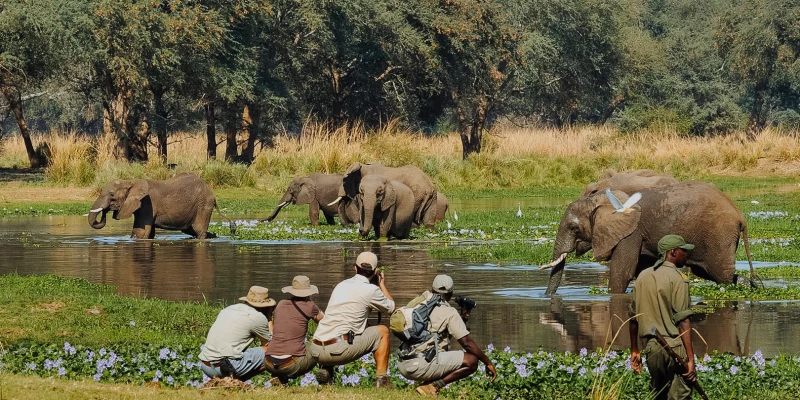
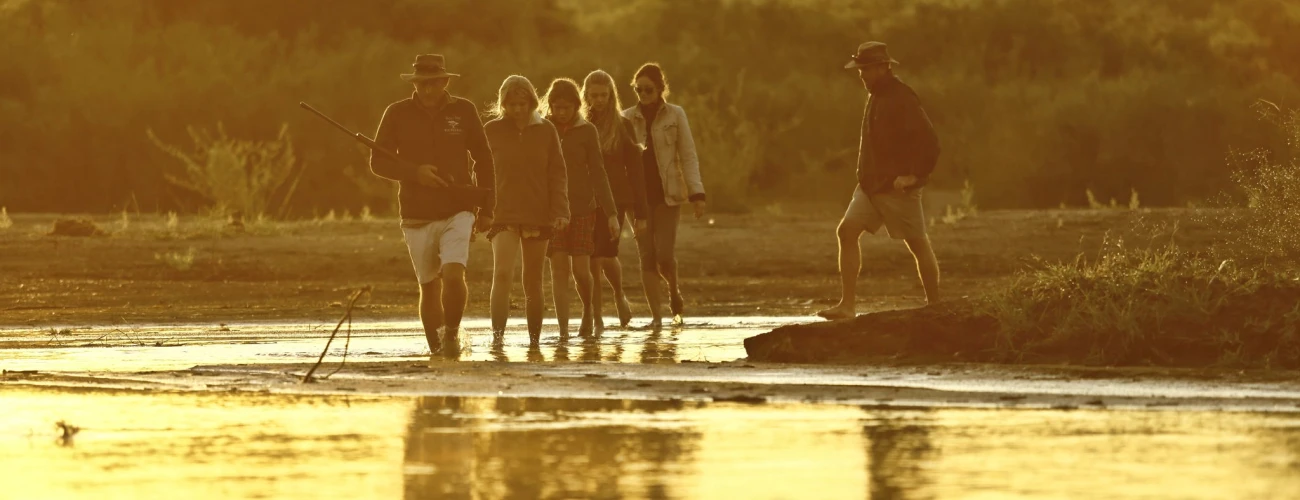
A walking safari is a guided exploration of wildlife areas on foot, led by highly trained professional guides and accompanied by armed rangers where required by park regulations. Rather than covering long distances as in a game drive, walks focus on interpretation, awareness, and reading the land.
Distances are short. Experiences are intense.
You may follow fresh lion tracks in the sand, learn to judge how recently elephants passed through an area, or discover plants still used today for traditional medicine. Each step reveals how Tanzania’s ecosystems function as living, interconnected systems.
This is not hiking.
This is wildlife interpretation in its purest form.
Reasons to Choose Tanzania For Walking Safaris
A Deeper Connection to the Landscape
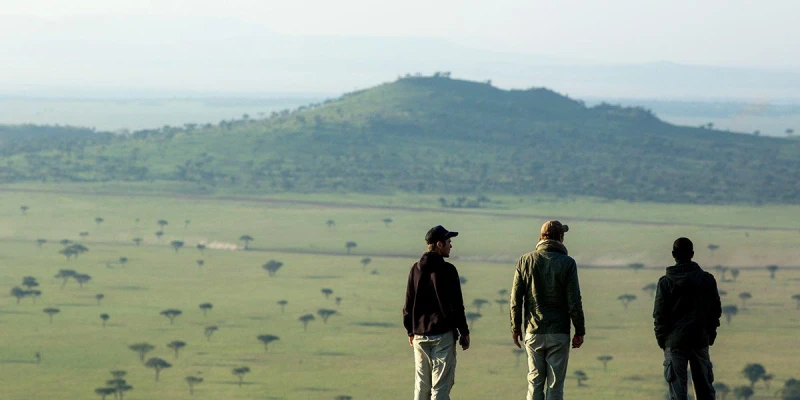
Walking places you inside the environment rather than observing it from a vehicle. You feel the texture of the soil, smell crushed herbs underfoot, and hear alarm calls long before you see their cause. The bush becomes a living classroom.
Beyond the Big Five
While game drives focus on iconic species, walking safaris reveal the foundations of the ecosystem. Tracks, insects, birds, and plants explain how predators hunt, how prey survives, and how balance is maintained in the wild.
Fewer Vehicles, Truer Wilderness
Walking safaris operate in controlled zones with very small groups. Without vehicles, wildlife behaves more naturally, and travellers experience Tanzania in a quieter, more respectful way.
Best Time for Walking Safaris in Tanzania
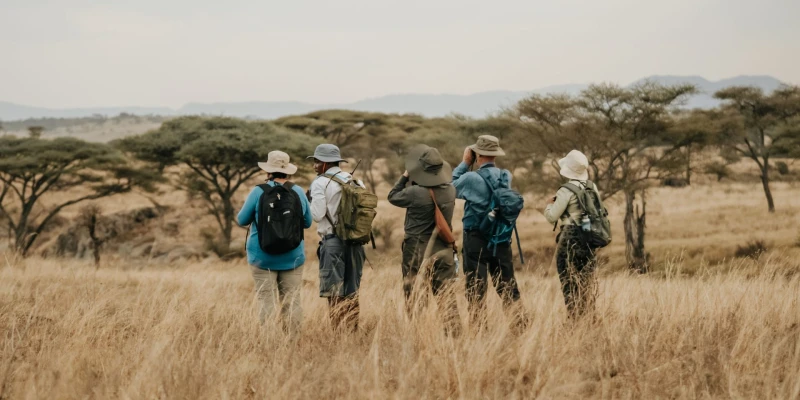
Dry Season | June to October
This is the prime period for walking safaris.
-
Shorter grass improves visibility
-
Wildlife concentrates around water sources
-
Cool mornings are ideal for walking
This season is particularly strong in Tarangire, Ruaha, and Nyerere, where animal movements become easier to interpret.
Green Season | November to May
Often overlooked, the green season offers a different kind of reward.
-
Lush landscapes and dramatic skies
-
Abundant birdlife and migratory species
-
Newborn animals and fewer visitors
In southern Tanzania, especially Ruaha National Park, walking safaris remain excellent even after rainfall due to open river systems and varied terrain.
What Animals Can Be Seen on a Walking Safari
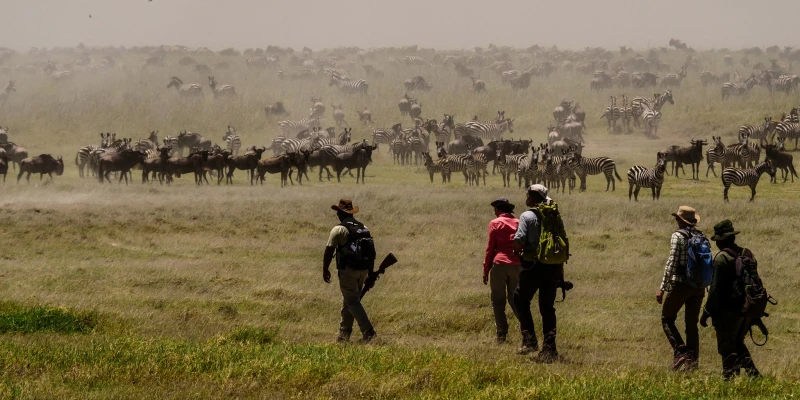
Walking safaris do not aim for close encounters, but they deliver powerful, respectful wildlife experiences.
Commonly Seen Species
-
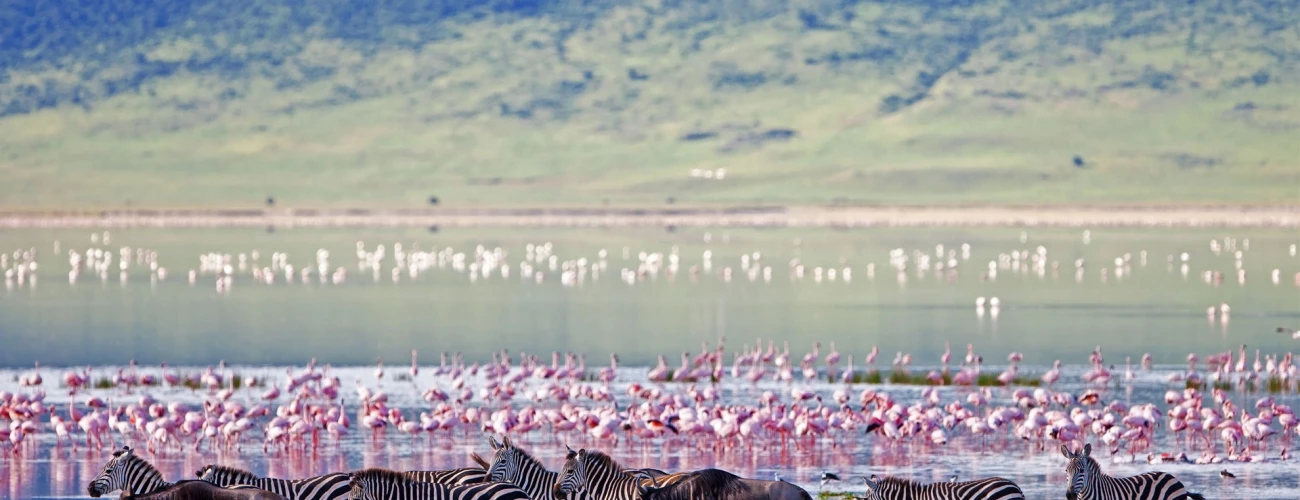
Zebras and wildebeest
-
Impala, waterbuck, kudu, hartebeest, and other antelope
Seeing these animals on foot transforms perception. Their size, presence, and behaviour feel far more intense without the barrier of a vehicle.
Predators and Elusive Species
Direct predator sightings are less common but deeply memorable.
-
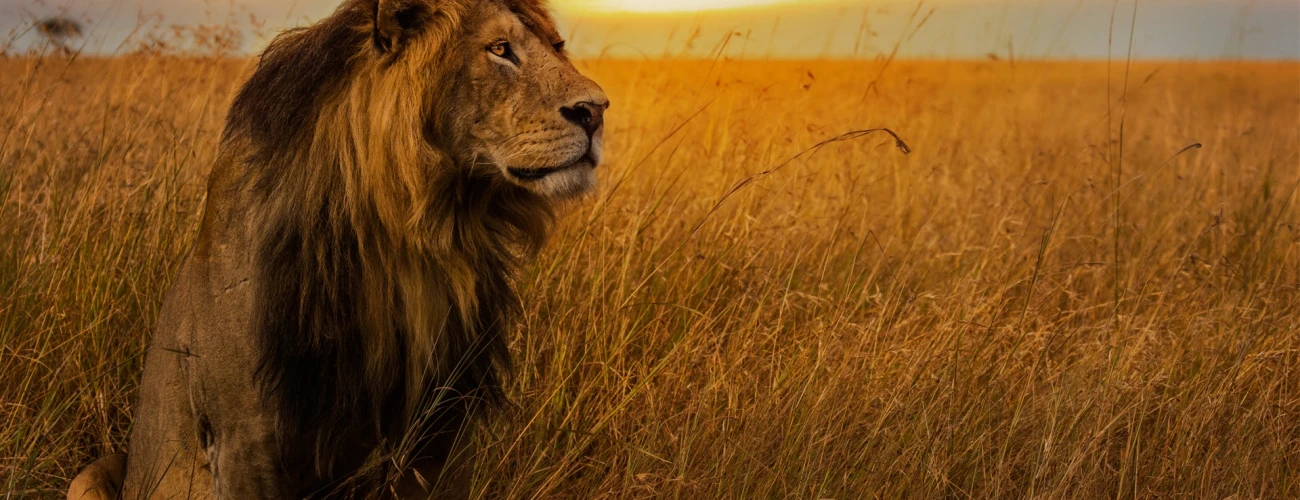
Lions are sometimes observed at a safe distance
-
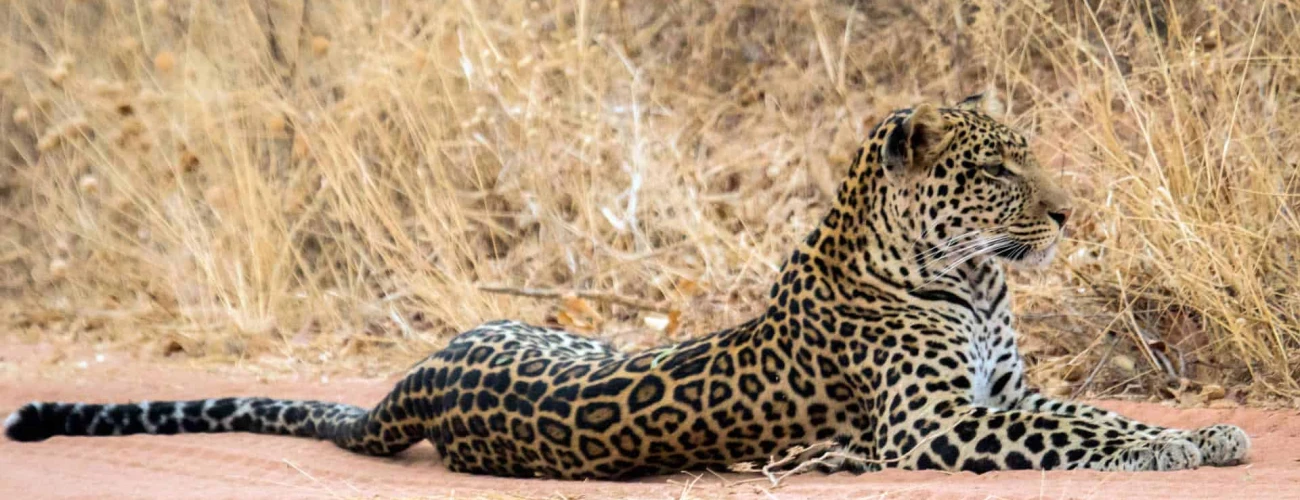
Leopard tracks and signs are frequently followed
-
Hyena, jackal, and wild dog signs are regularly interpreted
Even without a direct sighting, learning to read predator movements is one of the most rewarding aspects of walking.
The Hidden World
Walking safaris reveal what vehicles miss:
-
Animal tracks and spoor
-
Insects and micro-ecosystems
-
Bird behaviour and calls
-
Medicinal plants and ancient trees
For many travellers, this knowledge becomes the highlight of the safari.
Is a Walking Safari Safe in Tanzania
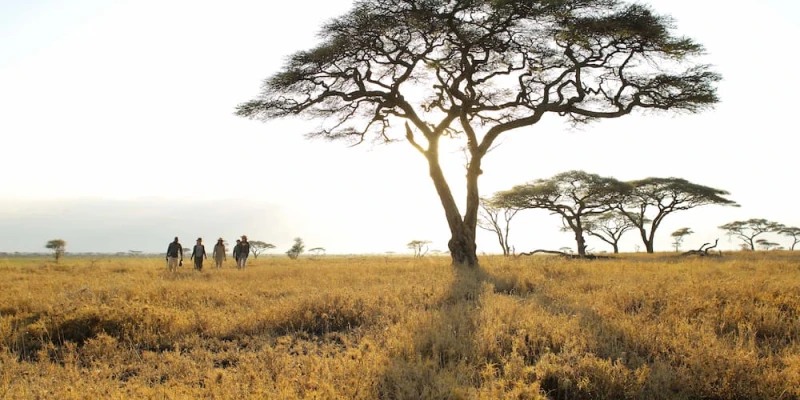
Yes, when conducted professionally.
Walking safaris in Tanzania follow strict safety protocols. Guides are extensively trained in animal behaviour, bushcraft, and situational awareness. Armed rangers accompany walks where required, ensuring safety while maintaining respect for wildlife.
Standard safety procedures include:
-
Detailed pre-walk briefings
-
Walking in single file
-
Continuous assessment of wind and terrain
-
Clear hand signals and communication
The objective is awareness, not confrontation. Wildlife generally avoids humans on foot when approached calmly and respectfully.
What to Pack for a Walking Safari
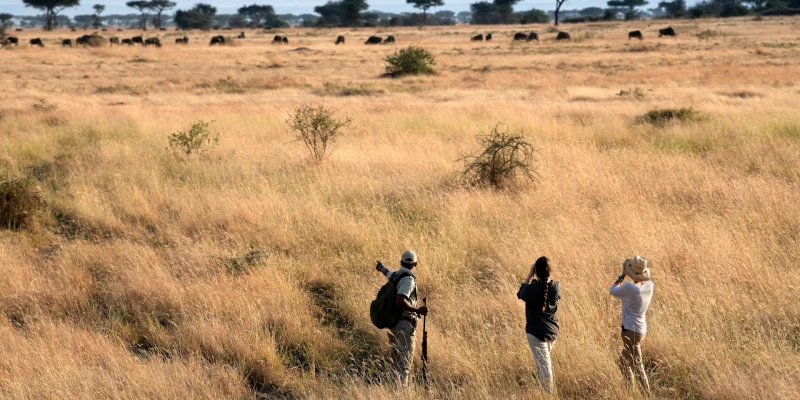
Essential Items
-
Comfortable walking shoes or lightweight hiking boots
-
Neutral-coloured clothing (khaki, olive, brown)
-
Wide-brimmed hat and high-SPF sunscreen
-
Lightweight fleece for early mornings
-
Binoculars and camera
-
Insect repellent
Avoid dark blue and black, which attract tsetse flies. Practical comfort matters far more than style.
Who Walking Safaris Are Suitable For
Walking safaris are designed for travellers with average fitness levels.
-
Typical walks cover 3–5 kilometres
-
Duration is usually 2–4 hours with frequent stops
-
Minimum age generally ranges from 12 to 16 years
-
No upper age limit for guests with reasonable mobility
Private walks can be tailored to pace, interests, and comfort level.
Why Walk with Just Go Safaris
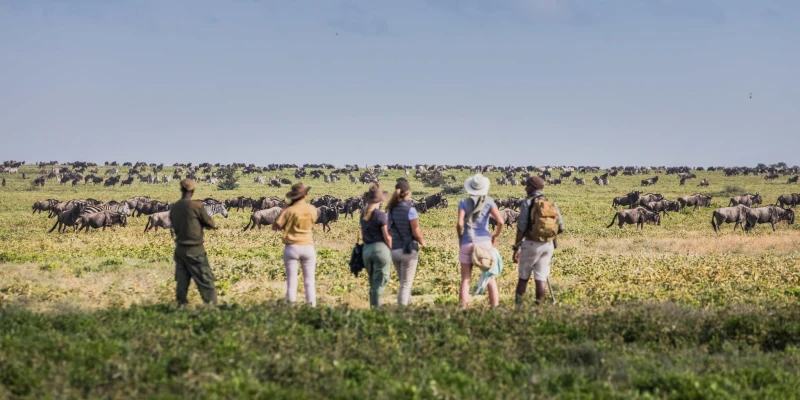
At Just Go Safaris, we are based in Tanzania and design walking safaris that prioritise authenticity, safety, and meaningful connection to the land. We work with experienced guides and conservation-focused camps in some of the country’s wildest regions.
If you are ready to slow down, learn the language of the bush, and experience Tanzania beyond the vehicle, a walking safari is where the journey truly begins.