The Ultimate Guide to Tanzania’s Great Migration
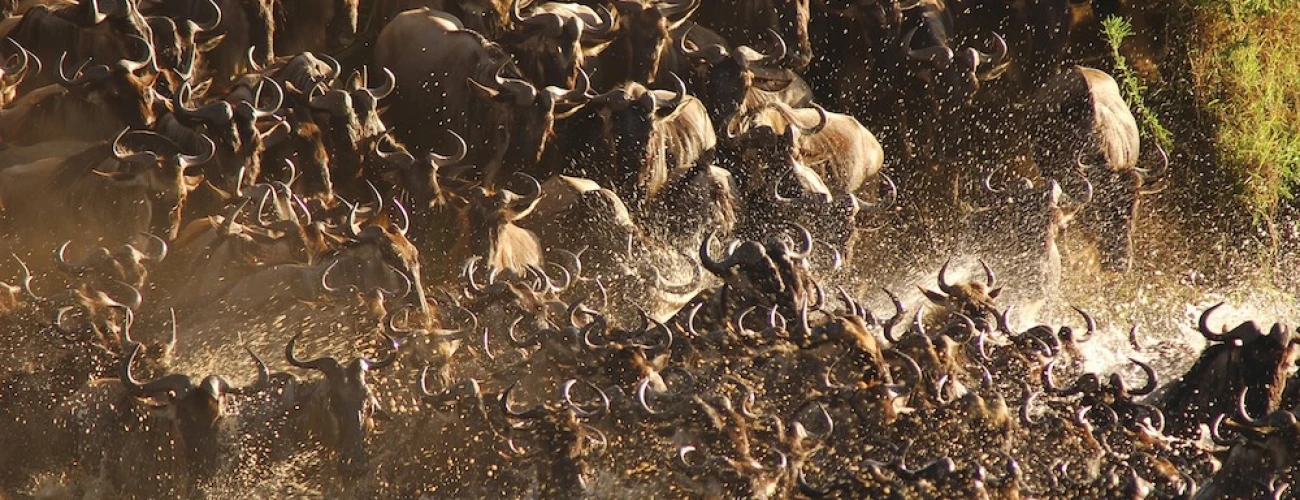
Each year, over two million wildebeest, zebra, and gazelle traverse Tanzania’s vast landscapes, following ancient instincts shaped by rainfall and survival. This cyclical journey is known as the Great Migration – one of the planet’s most dramatic wildlife spectacles. For safari enthusiasts, it is not just a sight, but a full sensory experience,the thunder of hooves, the tension of river crossings, and the intricate dance between predators and prey.
Tanzania provides the perfect stage for this timeless event, offering varied landscapes, intimate wildlife encounters, and opportunities to witness every aspect of the migration from the delicate first steps of newborn calves to the explosive drama of river crossings.
Why Tanzania is the Heart of the Great Migration
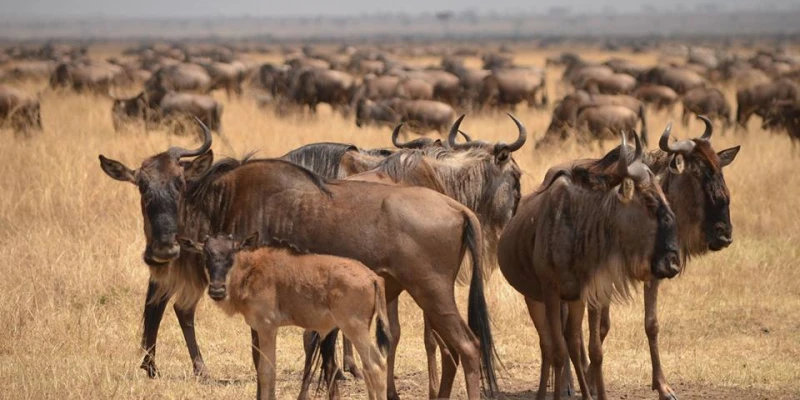
Tanzania is more than a stop on the migration route , it is the backbone of the journey. From the short-grass plains of Ndutu to the crocodile-filled waters of the Grumeti River, Tanzania showcases a variety of migration experiences that cannot be found elsewhere.
-
Southern Serengeti & Ndutu: The heart of calving season, where hundreds of thousands of calves are born daily.
-
Western Corridor & Grumeti River: Lush landscapes with intimate river crossings, far from the crowds.
-
Northern Serengeti & Mara River: The iconic, high-drama crossings, where millions of animals face the ultimate challenge.
Tanzania also offers the chance to avoid overcrowded areas while staying close to the action. Strategic positioning in carefully selected camps ensures that you witness the migration at its most authentic uninterrupted, dramatic, and alive.
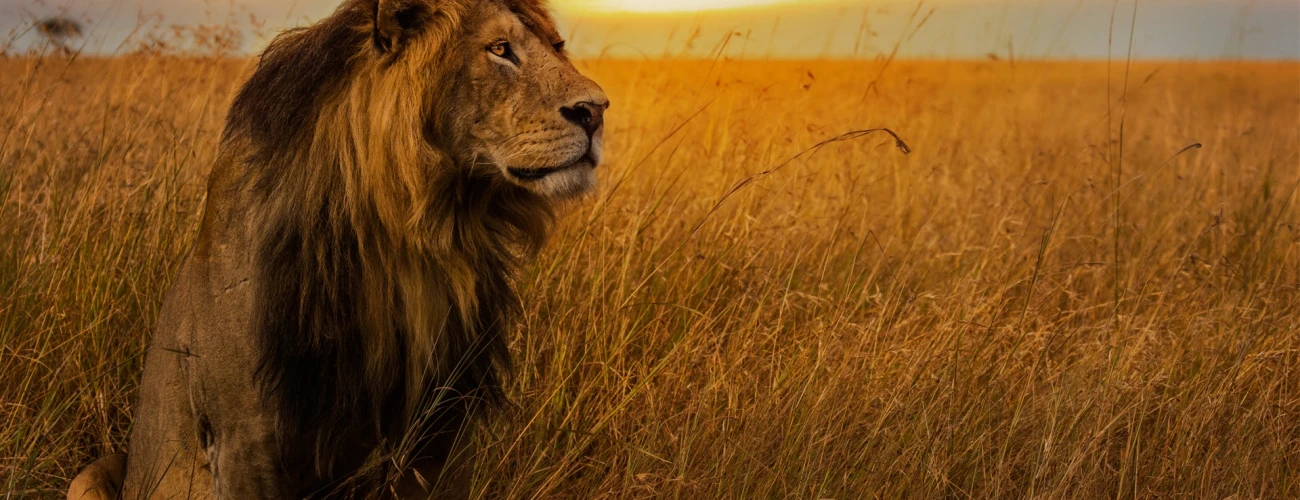
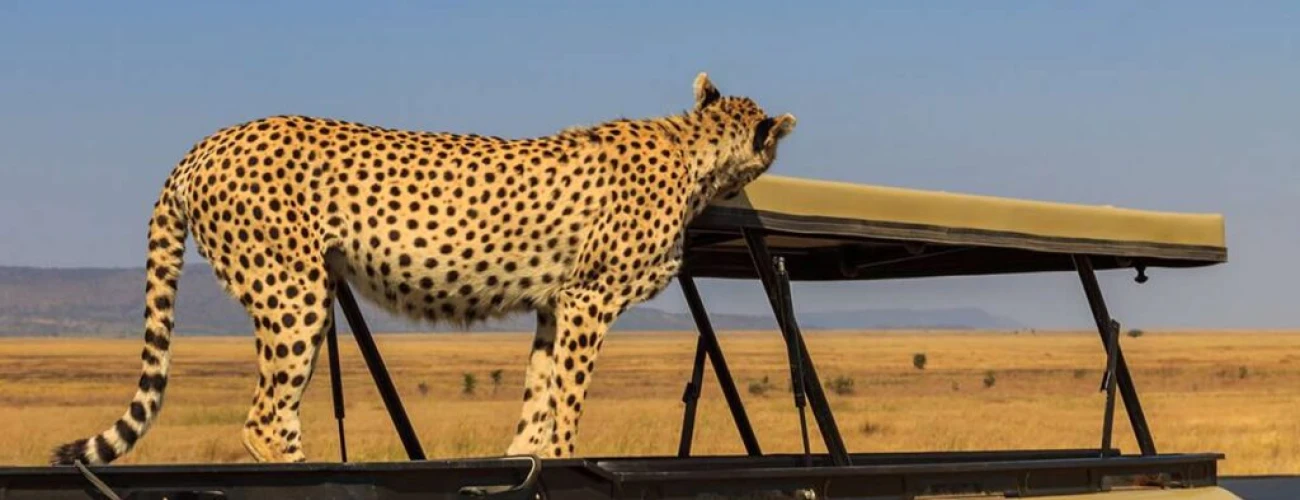
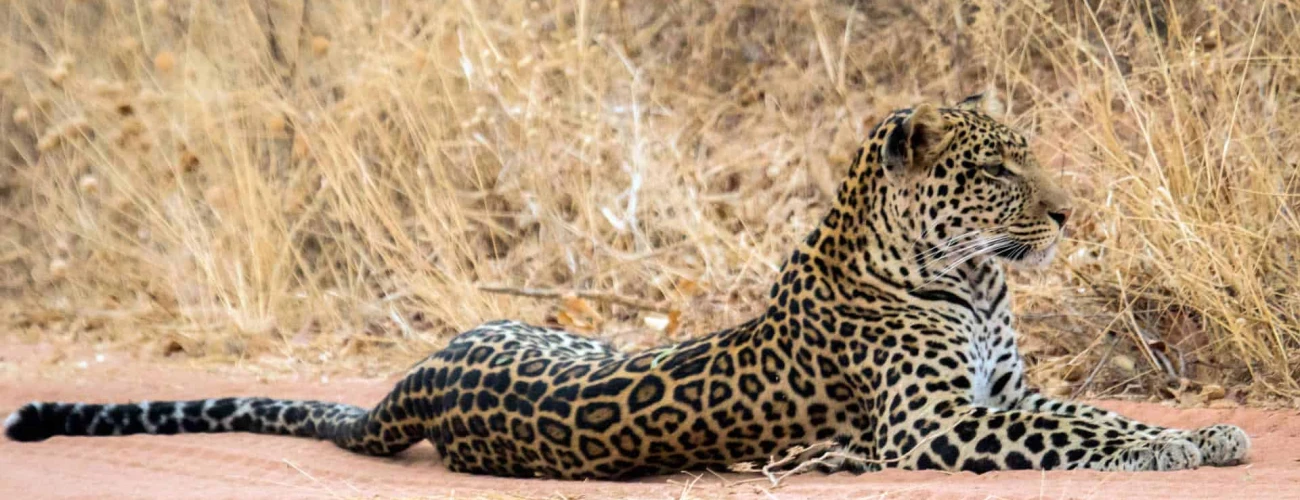
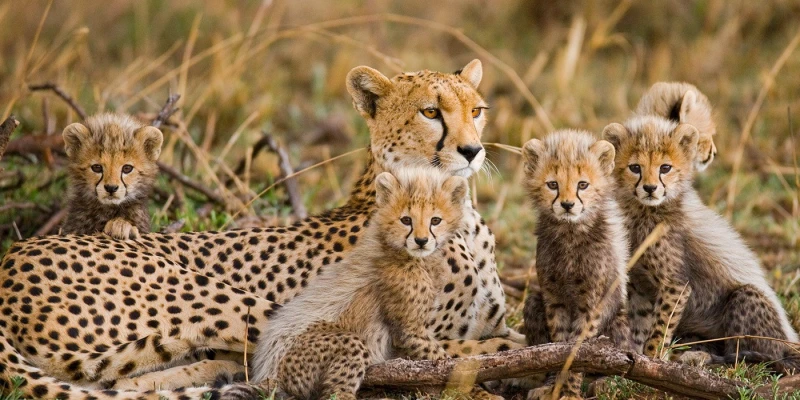
Predator activity across Tanzania further elevates the safari experience. From cheetahs prowling the southern plains to lions and leopards stalking along the Grumeti corridor, Tanzania delivers unparalleled wildlife dynamics throughout the migration cycle.
When to See the Action
Understanding the migration’s timing is essential for planning a safari. Herds follow a circular path guided by instinct and rainfall, with each season offering unique wildlife encounters.
December – March: Calving Season in Southern Serengeti & Ndutu
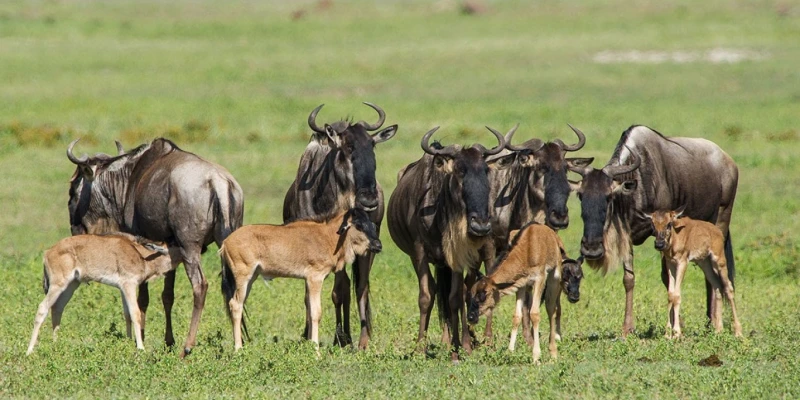
The plains transform into a wildlife nursery, as 8,000 calves are born each day at the peak of January and February. This synchronized birthing overwhelms predators, creating one of the most emotionally charged wildlife experiences possible.
-
What to Expect: Dramatic predator-prey interactions, protective maternal behaviors, and the mesmerizing sight of newborns taking their first steps across golden plains.
-
Photography Highlights: Soft light, lush landscapes from early rains, and storm clouds adding drama to expansive herd scenes.
April – June: Western Corridor & Grumeti River
As the southern plains dry, herds move west into the Grumeti region. This phase is quieter, with fewer spectators, offering an exclusive, crowd-free migration experience.
-
What to Expect: Riverine forests, rocky outcrops, and calm river crossings where crocodiles wait. Herds linger longer here, providing excellent game-viewing opportunities.
July – October: Mara River Crossings, Northern Serengeti
The northern Serengeti becomes the epicenter of drama, as millions face the treacherous Mara River. Strong currents and crocodile ambushes create breathtaking scenes of survival and courage.
-
What to Expect: Explosive crossings, intense predator interactions, and panoramic wildlife spectacles. This period is busier, but Tanzanian riverbanks offer quieter, equally dramatic viewing compared to Kenya.
November: Short Rains & Southern Return
Herds begin moving south again, fragmenting into smaller groups across the southern plains. November offers off-peak advantages: fewer tourists, dramatic lighting for photography, and dynamic wildlife action.
Where to Stay for the Migration in Tanzania
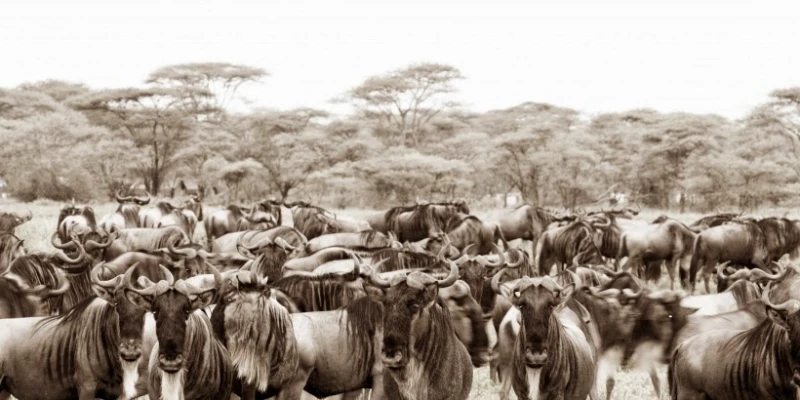
The right camp transforms a migration safari from a checklist into a deeply immersive experience.
-
Ndutu & Southern Serengeti (Calving Season): Positioned close to birthing grounds, allowing up-close observation of newborns and predator-prey interactions.
-
Grumeti & Western Corridor: Camps here provide intimate, crowd-free river crossing experiences, nestled in lush habitats.
-
Northern Serengeti (Mara River): Select camps in quieter locations ensure front-row seats to dramatic crossings without competing with dozens of vehicles.
-
Namiri Plains (Eastern Serengeti): While not mobile, the camp offers year-round predator viewing, plus migration-adjacent encounters in a near-private wilderness setting.
Avoiding the Crowds Insider Tips
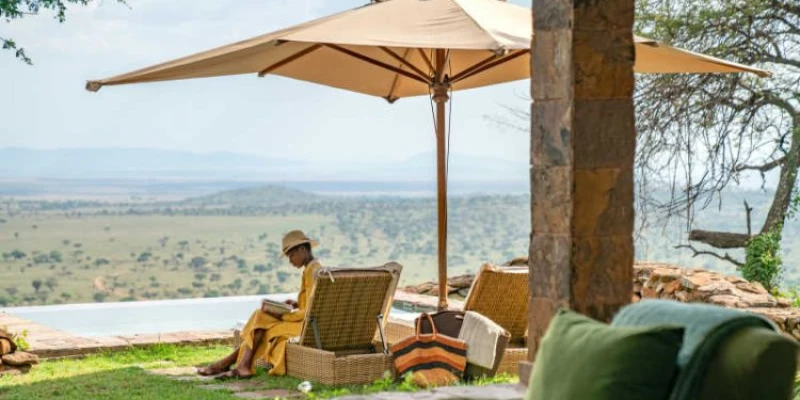
Travel During Shoulder Seasons: Early June, early July, late October, or early March. Fewer visitors, better light, and more intimate wildlife encounters.
Choose Smaller, Strategically Positioned Camps: Camps with 12–20 guests offer flexible timing, access to hidden viewpoints, and minimal environmental impact.
Leverage Expert Guides: Knowledgeable guides position you at secondary river crossings and lesser-known plains, ensuring private, memorable encounters.
Early Morning Drives: Wildlife is most active, light is ideal, and the experience is often yours alone.
How Long Should You Stay?
Migration-focused Safari: 4–7 nights minimum to account for unpredictable animal movements.
Multi-region Trips: 2–3 nights per area (Ndutu, Western Corridor, Northern Serengeti) for comprehensive migration coverage.
Extended Safaris: 7–10 nights maximize your chances of witnessing key events while allowing you to immerse yourself in the ecosystem’s rhythm.
Packing Essentials for Your Migration Safari
Lightweight layers and warm clothing for mornings/evenings.
Neutral tones to blend into the environment.
Photography essentials: telephoto lens, wide-angle lens, waterproof gear, extra batteries.
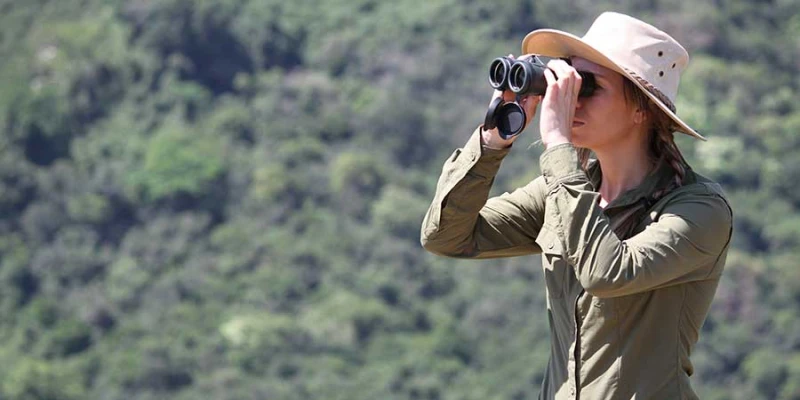
Binoculars, sunscreen, insect repellent, wide-brimmed hat, and comfortable shoes.
Best Add-On Destinations
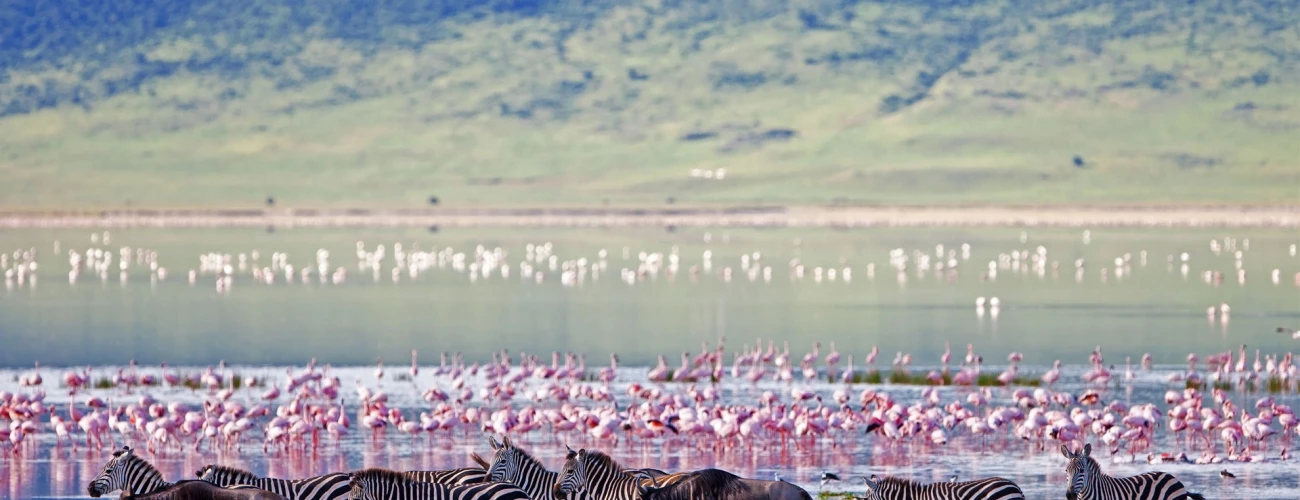
Ngorongoro Crater: Big 5 viewing in a unique geological setting, complementing migration sightings.
-
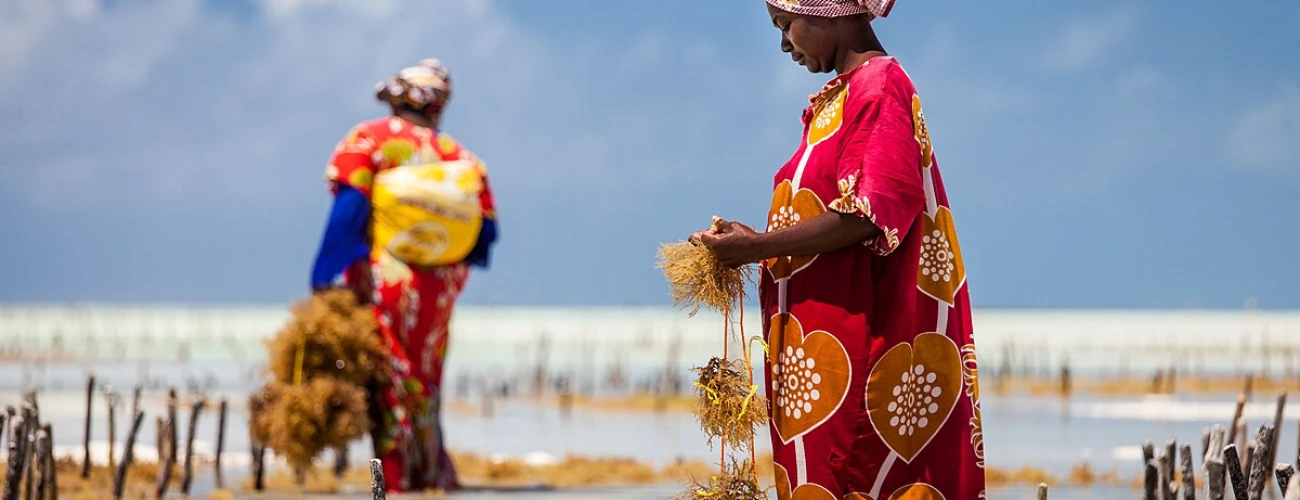
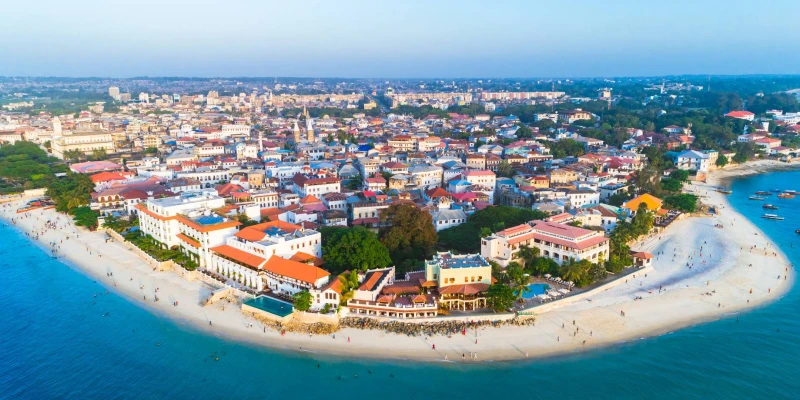
Zanzibar: Relaxation, cultural immersion, and diving after your safari adventure.
-
Ruaha & Tarangire: Remote wilderness, dense predator populations, and unforgettable elephant sightings.
The Great Migration is more than a spectacle. It is a journey, a story of life, survival, and interconnectedness. At Just Go Safaris, we craft migration experiences that combine strategic positioning, intimate camps, and expert guides to ensure you witness every moment authentically away from crowds, fully immersed in the pulse of the Serengeti.
Your migration story begins here.
Just Go Safaris-Travel with understanding. Explore with purpose.