Tanzania’s Premier Birdwatching Destinations
Tanzania stands among the world’s most rewarding birdwatching destinations, not only for the sheer number of species recorded, but for the diversity of habitats in which they are found. With over 1,100 bird species, ranging from endemic forest specialists to vast congregations of migratory waterbirds, Tanzania offers a birding experience that is immersive, intellectually rewarding, and emotionally stirring.
From the alkaline lakes of the Rift Valley to remote miombo woodlands and high-altitude montane forests, birdlife in Tanzania is not confined to one ecosystem. It moves, adapts, breeds, and thrives across landscapes that remain largely untouched. For birders, photographers, and safari travellers alike, this is where observation becomes connection.
Serengeti National Park
Birding Across Endless Horizons
The Serengeti’s fame rests on its mammal migrations, but its avian diversity is equally exceptional. Over 500 species inhabit this vast ecosystem, supported by open grasslands, seasonal wetlands, rocky kopjes, and riverine forests.
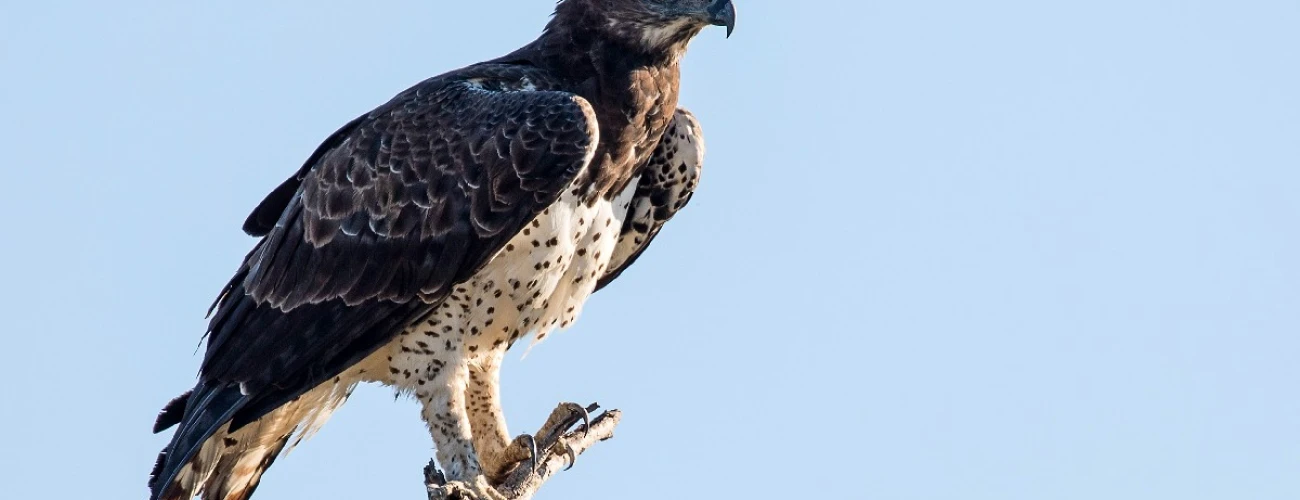
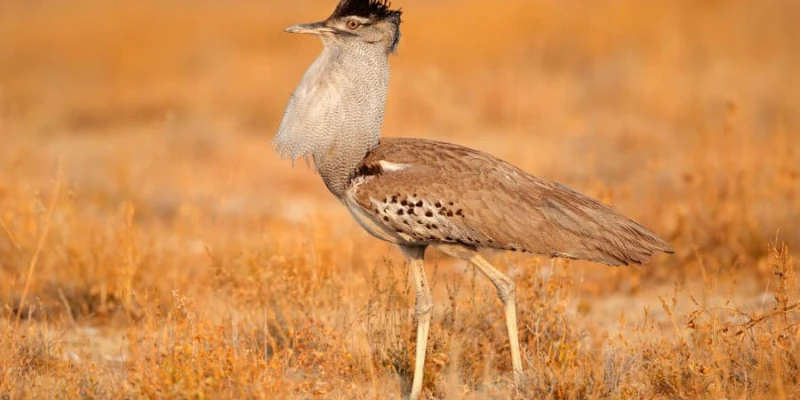
Birdwatchers can expect to see large terrestrial birds such as kori bustards and secretary birds striding across the plains, while raptors dominate the skies. The Serengeti is particularly strong for birds of prey, with martial eagles, bateleurs, lappet-faced vultures, and tawny eagles commonly recorded.
During the wet season, migratory species from Europe and Asia arrive in abundance, adding colour and complexity to the ecosystem.
Best time to visit: November to April, when migrants arrive and breeding plumage is at its most striking.
Why it stands out: The Serengeti offers birdwatching without sacrificing classic safari experiences, making it ideal for travellers seeking balance.
Lake Manyara National Park
Where Water and Forest Converge
Lake Manyara is one of Tanzania’s most concentrated birding environments. Its shallow alkaline lake, groundwater forest, open grasslands, and acacia woodlands support an extraordinary range of species in a relatively compact area.
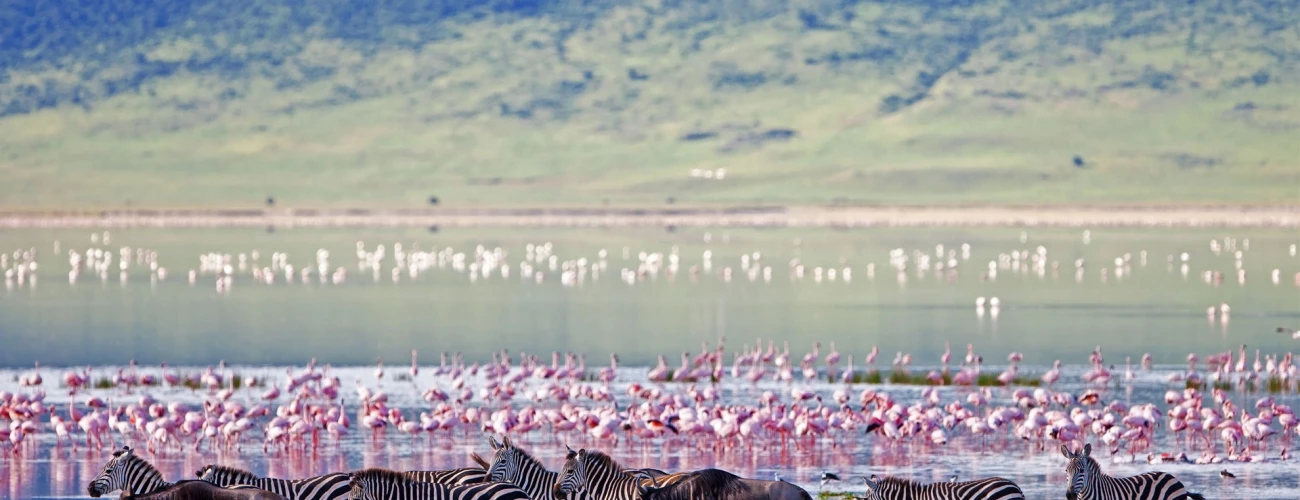
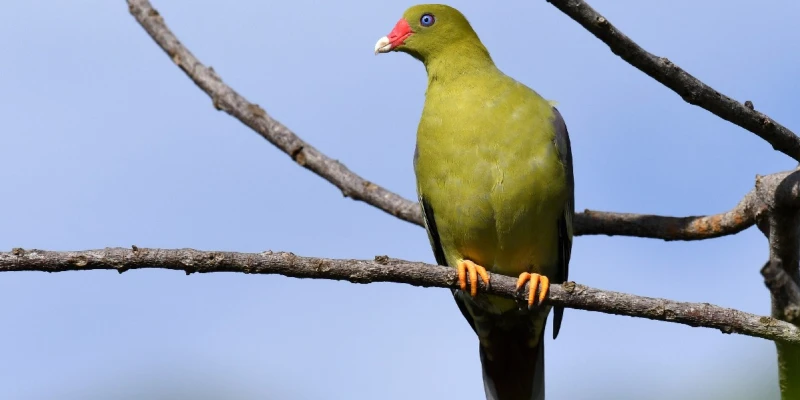
The lake itself often hosts thousands of flamingos, along with pelicans, storks, and cormorants. In the forest canopy, birders encounter silvery-cheeked hornbills, green pigeons, and colourful turacos. Seasonal flooding creates ideal conditions for migratory waders and breeding waterbirds.
Best time to visit: Year-round, with peak bird activity from November to May.
Why it stands out: Lake Manyara allows exceptional bird diversity to be experienced in a short time, making it perfect for relaxed, in-depth observation.
Tarangire National Park
A Stronghold for Endemics and Dry-Country Specialists
Tarangire is one of Tanzania’s most important birding destinations, particularly for species endemic to the region. Its mix of dry savannah, seasonal swamps, and towering baobabs supports over 550 bird species.
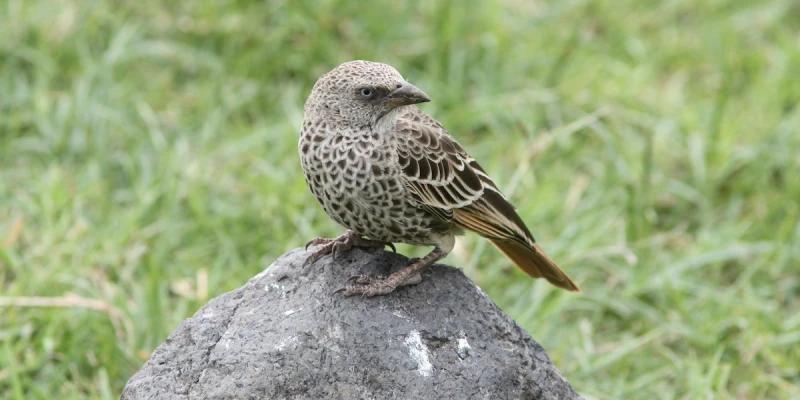
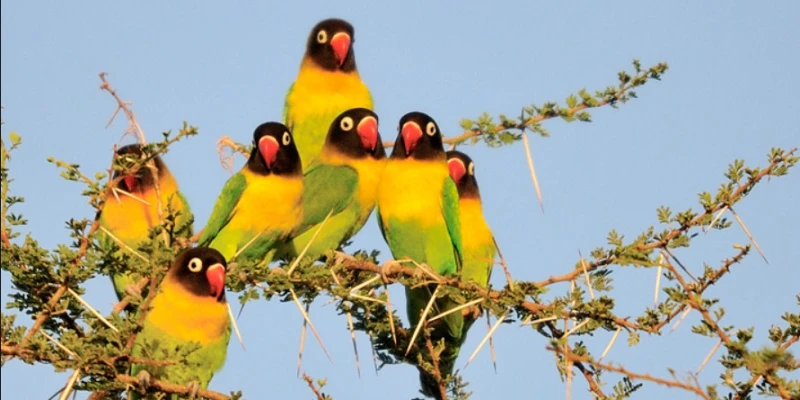
The park is famous for hosting Tanzanian endemics such as the yellow-collared lovebird, ashy starling, and rufous-tailed weaver. During the wet season, migratory birds flood the landscape, and breeding activity is intense, with vibrant displays and complex calls filling the air.
Raptors are abundant, and Tarangire’s open terrain allows excellent viewing and photography.
Best time to visit: November to May.
Why it stands out: Tarangire combines rare bird species, dramatic scenery, and relatively low visitor numbers.
Ngorongoro Conservation Area
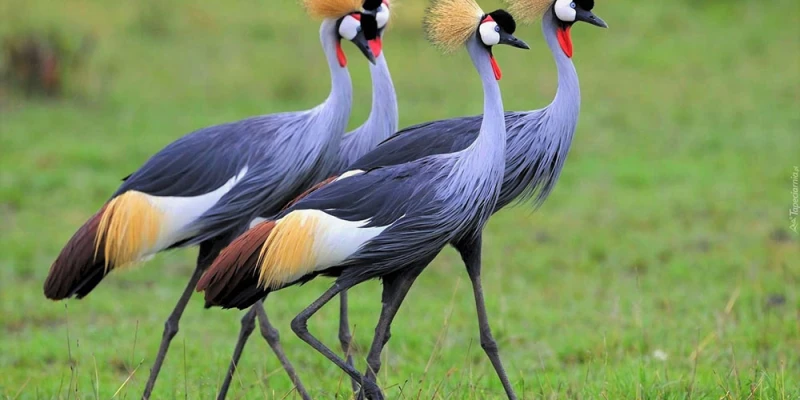
Birdlife in a Natural Amphitheatre
The Ngorongoro Conservation Area encompasses a wide range of habitats, from crater floor grasslands to montane forests and alkaline lakes. This ecological diversity supports an impressive variety of bird species.
On the crater floor, crowned cranes, kori bustards, and ostriches share space with grazing mammals. Lake Magadi often hosts flamingos, while the forested crater rim is home to turacos, sunbirds, and forest specialists. Raptors soar on thermal currents, offering dramatic aerial displays.
Best time to visit: November to April.
Why it stands out: Birdwatching here unfolds against one of the most iconic landscapes in Africa.
Lake Natron
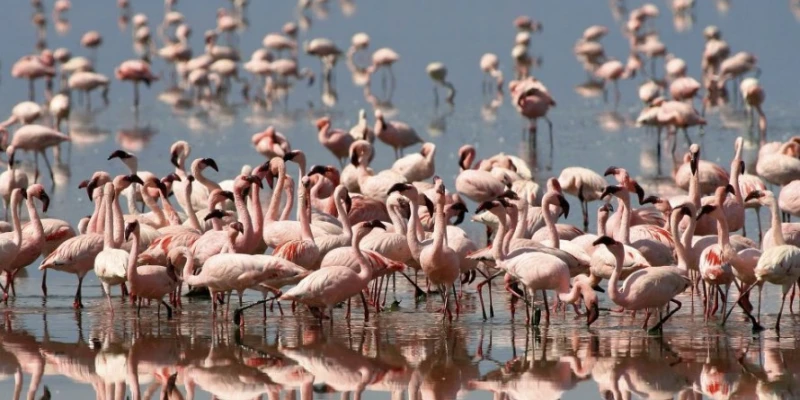
The Flamingo Nursery of East Africa
Remote and otherworldly, Lake Natron is the most important breeding ground for lesser flamingos in East Africa. Its highly alkaline waters create a natural barrier against predators, allowing flamingos to nest in vast numbers.
The sight of tens of thousands of flamingos feeding, nesting, and taking flight is one of Africa’s most surreal birding experiences. The surrounding landscape of volcanic peaks and mineral flats adds a dramatic backdrop rarely matched elsewhere.
Best time to visit: Variable, depending on water levels and breeding cycles.
Why it stands out: Lake Natron offers birdwatching in its rawest, most elemental form.
Ruaha National Park
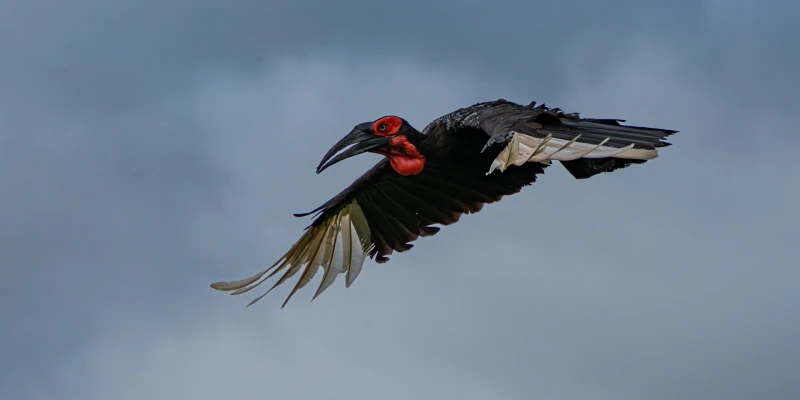
Remote Wilderness for Serious Birders
Ruaha is Tanzania’s largest national park and one of its least visited, making it ideal for travellers seeking depth, solitude, and discovery. The park sits at a crossroads of East and Southern African ecosystems, resulting in a unique bird species mix.
Ruaha is particularly known for miombo woodland specialists, including Pel’s fishing owl, southern ground hornbill, and Dickinson’s kestrel. Birding here rewards patience and expertise, with sightings that feel earned rather than staged.
Best time to visit: November to April.
Why it stands out: Ruaha delivers rare species, minimal crowds, and a sense of true exploration.
Best Time for Birdwatching in Tanzania
November to April: Peak birding season with migratory arrivals, breeding plumage, and active courtship displays
-
May to October: Excellent visibility and resident species, with fewer insects and drier conditions
At Just Go Safaris, birdwatching is not an add-on; it is a journey of attention and understanding. We design safaris guided by expert naturalists, timed around seasonal movements, and structured to allow space for observation rather than rushing between sightings.
Whether combined with a classic safari, a photographic expedition, or a dedicated birding journey, Tanzania offers one of the most complete birdwatching experiences in Africa.
Just Go Safaris-Travel with understanding. Explore with purpose.