Best Time to Visit Ngorongoro Crater
Ngorongoro Crater is one of Africa’s most extraordinary safari destinations,a place where wildlife, landscapes, and culture exist in perfect balance. Thanks to its unique geography and permanent water sources, the crater offers excellent wildlife viewing throughout the year. However, the quality of your experience can vary significantly depending on when you visit.
Understanding seasons, weather patterns, visitor density, and wildlife behavior allows you to plan a safari that aligns with your expectations whether you seek peak wildlife action, fewer vehicles, dramatic scenery, or exceptional photography.
This guide breaks down the best time to visit Ngorongoro Crater with professional insight and practical clarity.
Why Ngorongoro Is a Year-Round Destination
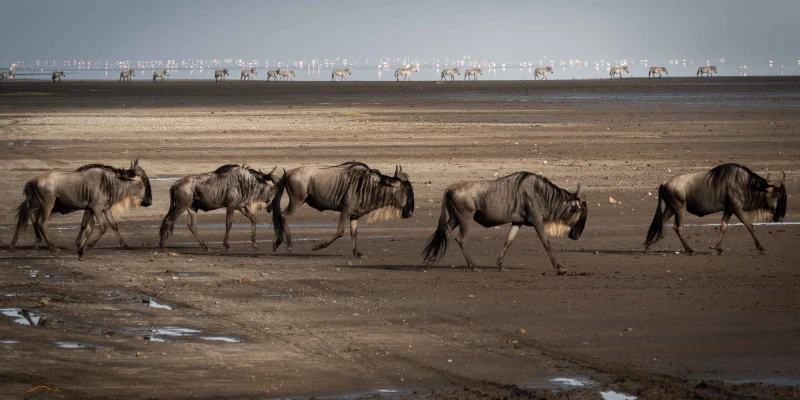
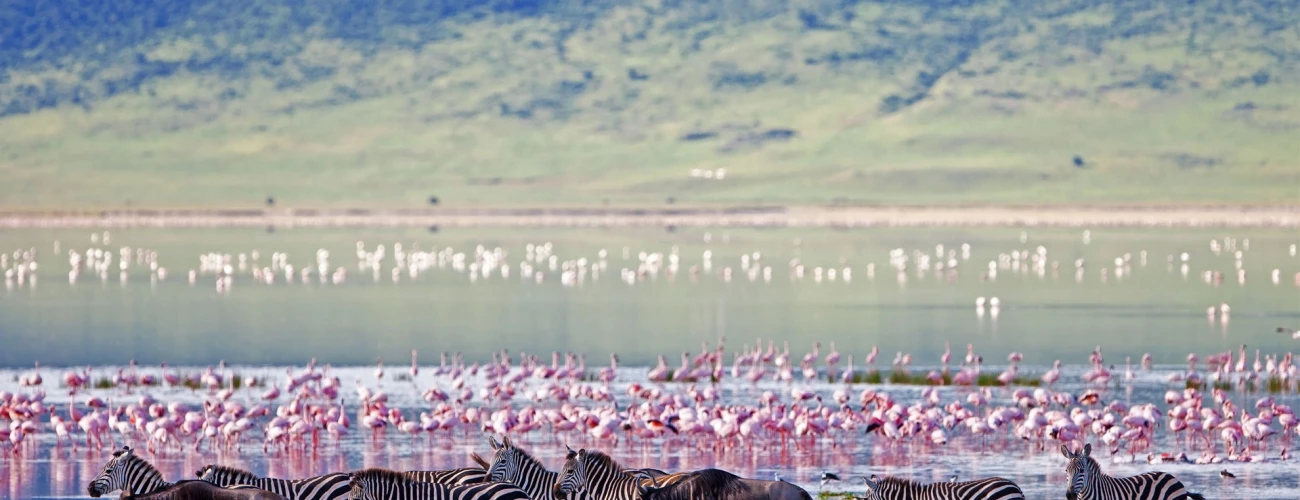
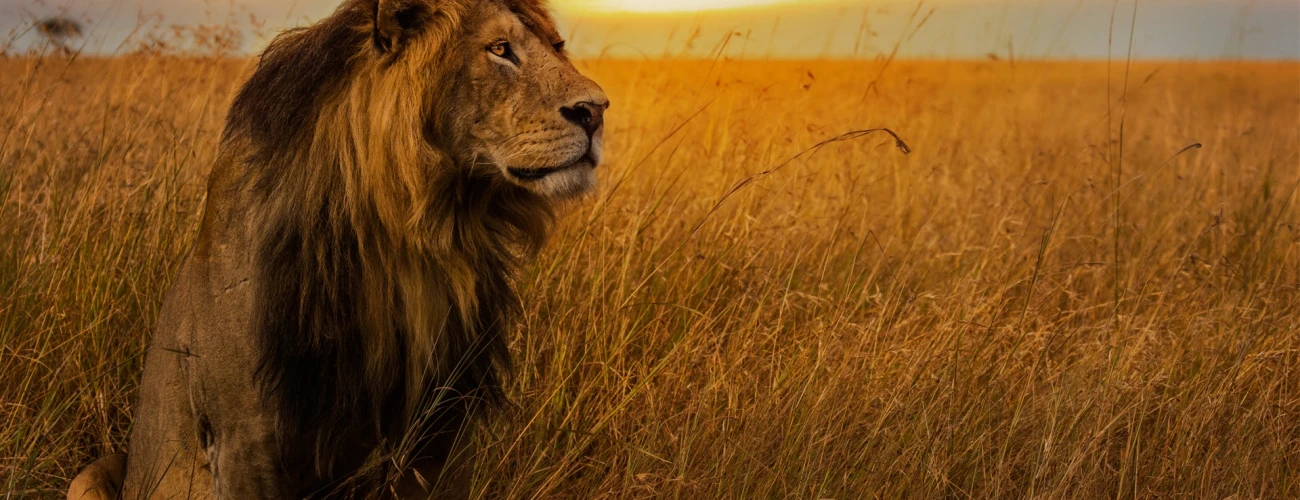
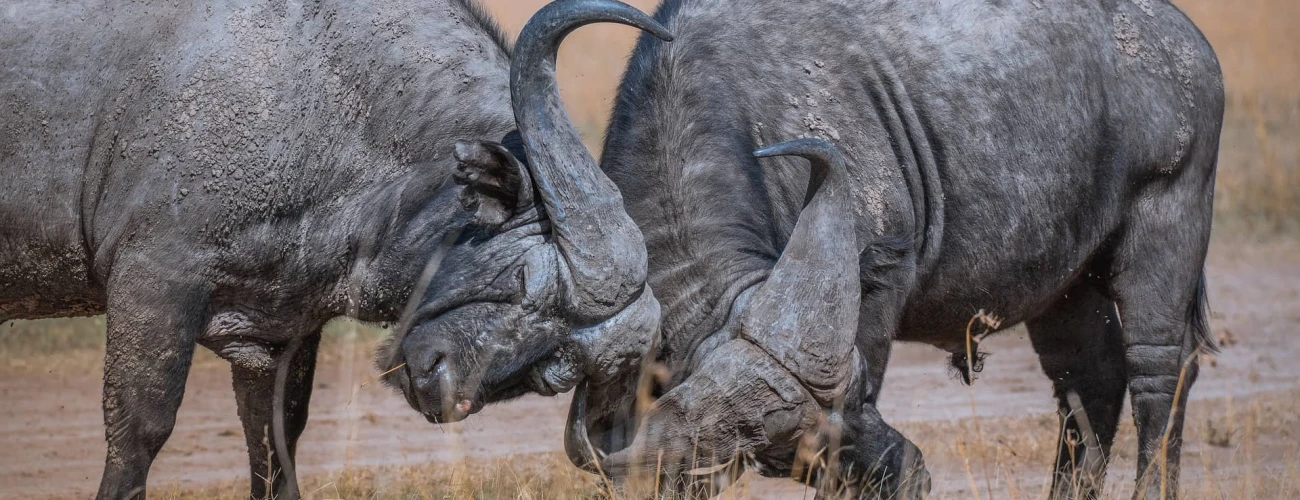
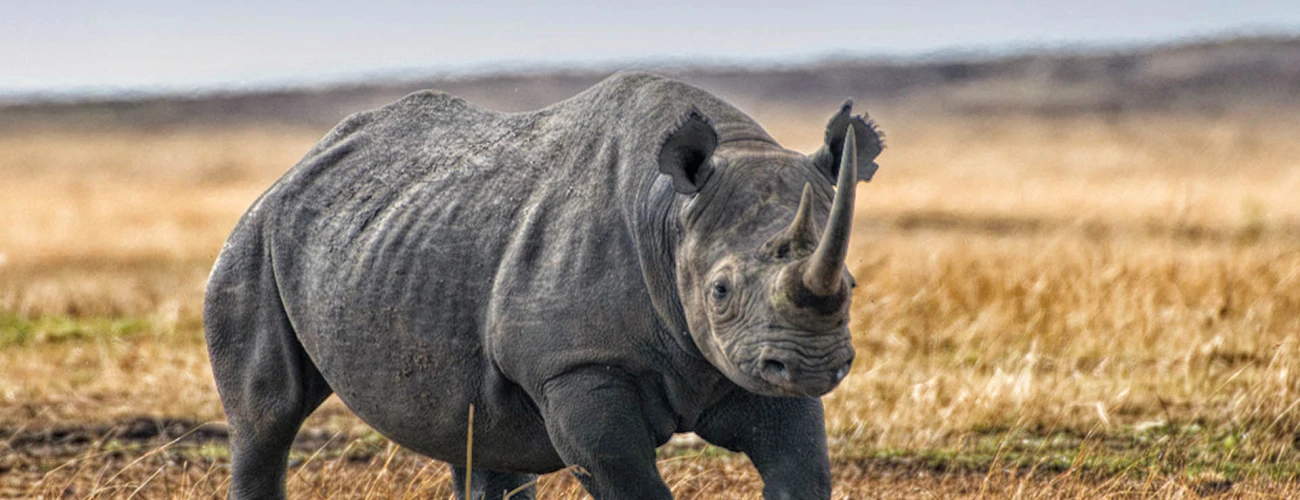
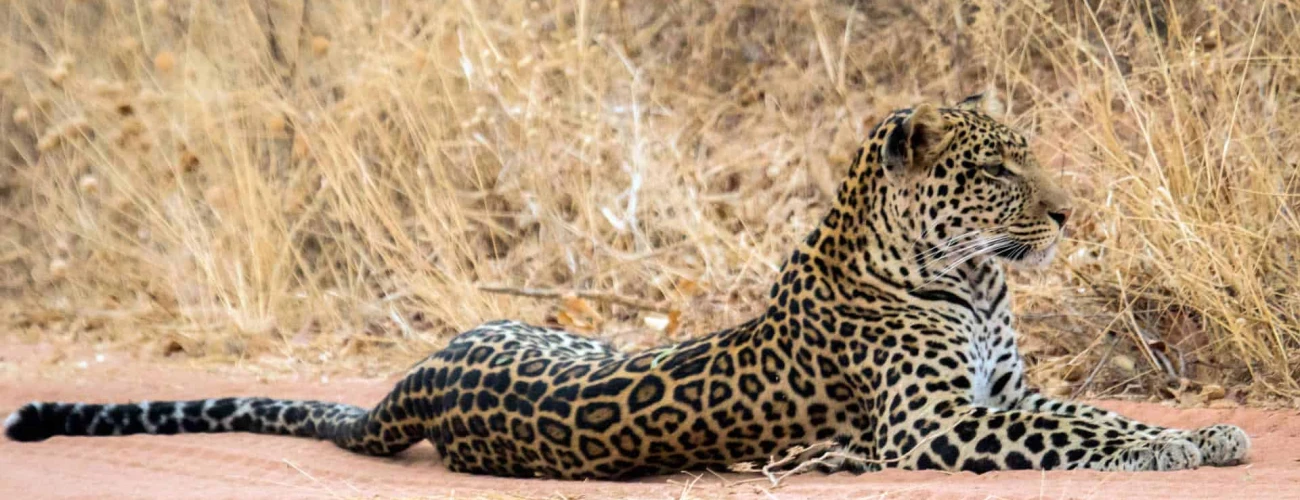
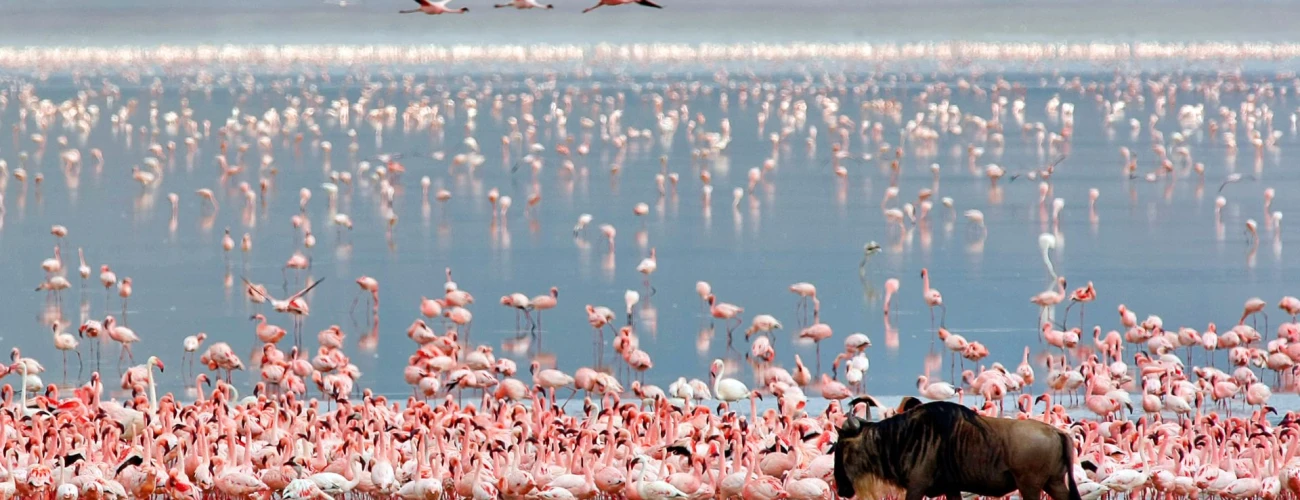
Unlike many safari parks that rely heavily on seasonal wildlife migrations, Ngorongoro Crater hosts resident wildlife year-round. Lions, elephants, buffalo, zebras, wildebeest, hippos, and endangered black rhinos remain inside the crater due to its fertile grasslands and reliable water.
What changes with the seasons is:
-
Weather and road conditions
-
Visitor numbers
-
Landscape color and photographic mood
-
Overall safari pace and exclusivity
Ideal Visiting Period ( June – October)
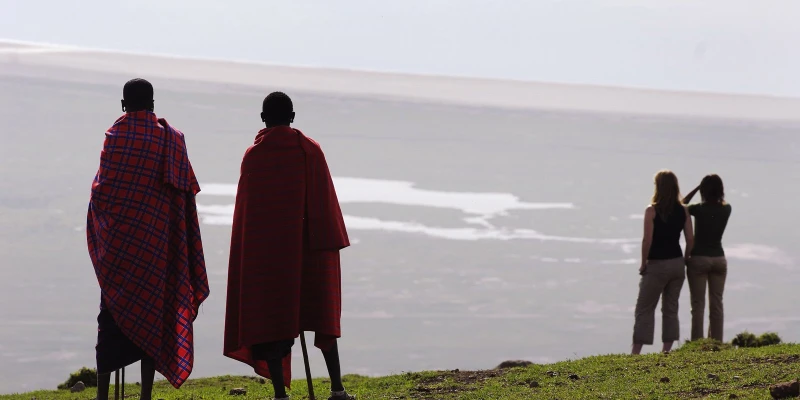
Best Weather | Outstanding Wildlife Concentration | Ideal for First-Time Safari Travelers
The dry season from June to October is widely regarded as the best time to visit Ngorongoro Crater.
Why this period stands out:
-
Clear skies and minimal rainfall
-
Short grass improves wildlife visibility
-
Animals gather around permanent water sources
-
Comfortable temperatures for full-day game drives
This is the most predictable and polished safari season, making it especially suitable for first-time visitors and those with limited time.
Considerations:
-
Higher visitor numbers
-
Premium accommodation rates
-
Busy crater floor during mid-morning hours
Peak Season ( July – September)
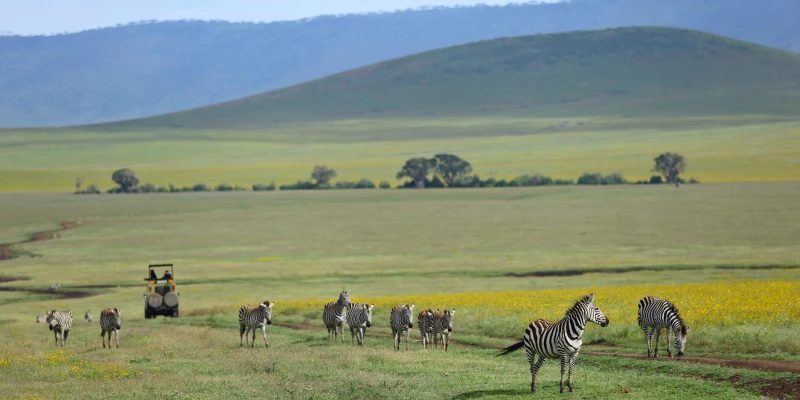
High Demand | Prime Conditions | Premium Experience
Peak season coincides with the height of the dry season and the Great Migration in nearby Serengeti.
What to expect:
-
Exceptional wildlife viewing
-
Crisp mornings and pleasant afternoons
-
Increased vehicle presence inside the crater
-
Limited availability at top lodges
Despite higher crowds, Ngorongoro’s wildlife density ensures rewarding sightings throughout the day.
Best for:
Luxury travelers, photographers, and travelers combining Ngorongoro with Serengeti Migration safaris.
Optimal Weather Conditions ( January – March & June – September)
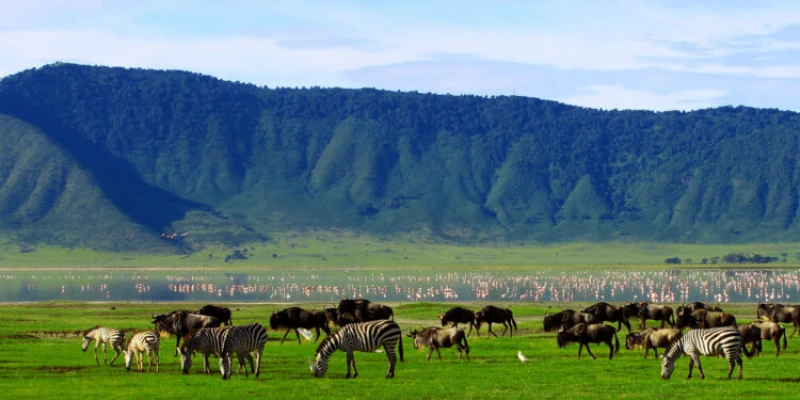
Balanced Temperatures | Excellent Visibility | Comfortable Game Drives
These months offer the most balanced safari conditions, combining good weather with manageable visitor numbers.
January – March:
-
Warm days and clear skies
-
Lush landscapes from short rains
-
Excellent predator activity
-
Fewer crowds than peak season
This is an underrated period ideal for travelers seeking both beauty and tranquility.
Off-Peak Season ( April – May)
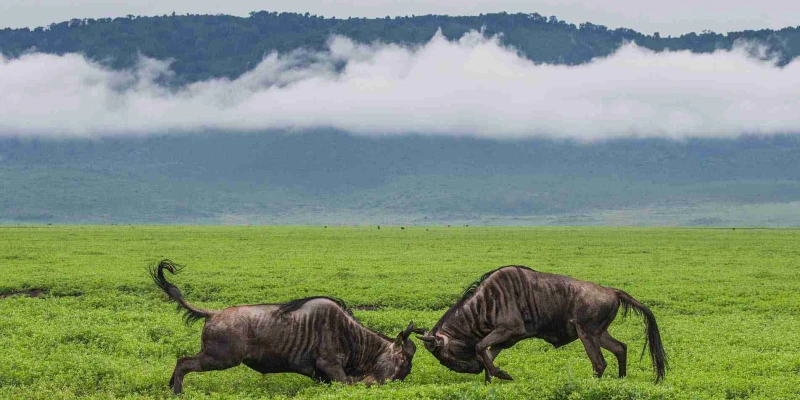
Fewer Vehicles | Green Scenery | Lower Accommodation Rates
The long rains occur mainly from April to May, creating a completely different safari atmosphere.
Why consider the off-peak season:
-
Dramatic green landscapes and cloud formations
-
Significantly fewer vehicles on the crater floor
-
Lower lodge rates and better availability
-
Unique photographic opportunities
Wildlife remains abundant, though visibility can be affected by taller grass.
Best for:
Experienced safari travelers, photographers, and those prioritizing exclusivity and value.
Challenging Weather Periods ( April & Early May)
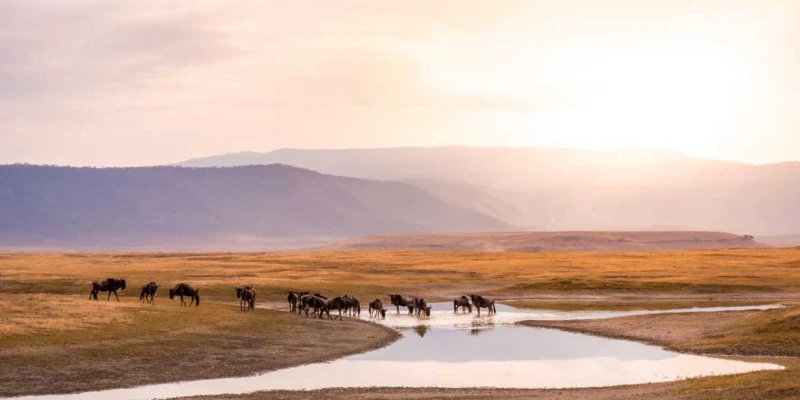
Rainfall | Slippery Roads | Limited Visibility at Times
While Ngorongoro remains accessible year-round, heavy rains can occasionally impact comfort.
Challenges include:
-
Muddy crater roads
-
Reduced wildlife visibility in tall grass
-
Cooler, misty mornings
That said, professional guides adapt routes and timing to ensure meaningful experiences even during this period.
Choosing the Right Time for You
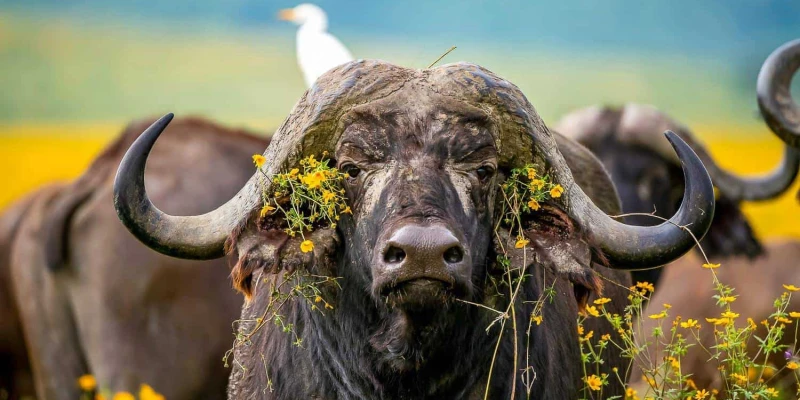
The best time to visit Ngorongoro Crater ultimately depends on your priorities. If you value classic safari conditions and guaranteed wildlife visibility, the dry season is ideal. If you seek solitude, dramatic scenery, and better value, the green season delivers a quieter, more intimate experience.
At Just Go Safaris, we plan Ngorongoro journeys around seasonality, lodge positioning, and travel style, ensuring every visit feels intentional and rewarding.
Ngorongoro is timeless. The right timing simply makes it unforgettable.